
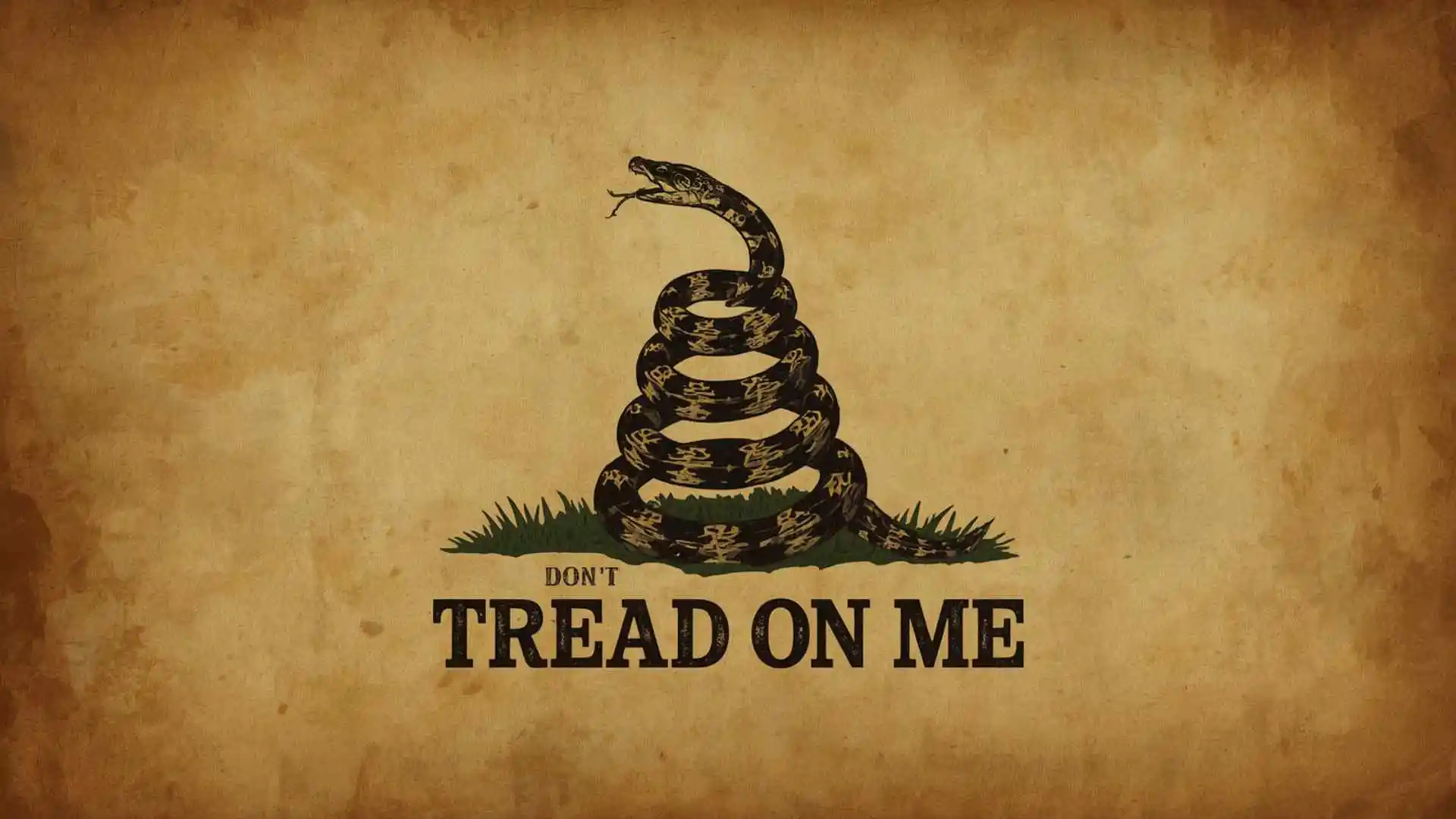
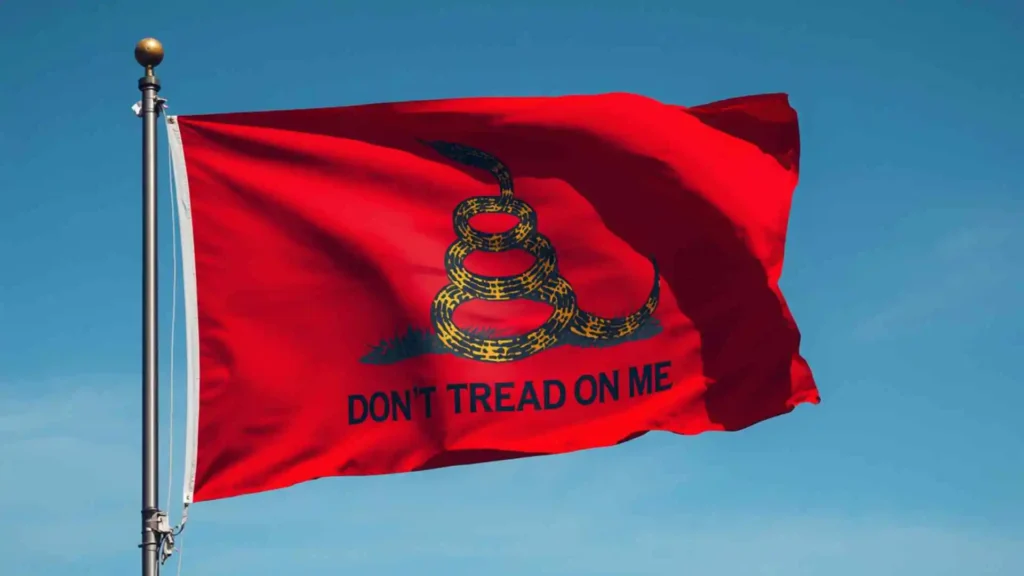
You’ve probably seen a yellow flag with a coiled snake and the words “Don’t Tread on Me” on social media, shirts, or even cars. At first glance, it looks simple—but it feels powerful, almost like a warning.
Many people get curious and wonder what it actually means and why it’s still used today. Some think it’s just a slogan, while others see it as a symbol of freedom or resistance.
In online trends and real-life discussions, this phrase often sparks debate and curiosity. Based on modern internet usage and cultural research, its meaning is deeper than most people expect.
Don’t Tread on Me Meaning
“Don’t Tread on Me” is a historical American phrase that means “do not step on me or violate my rights.” It is a warning to others not to interfere, control, or oppress someone’s freedom. Today, it is also used as a symbol of independence, self-defense, and resistance against authority.
Meaning & Definition
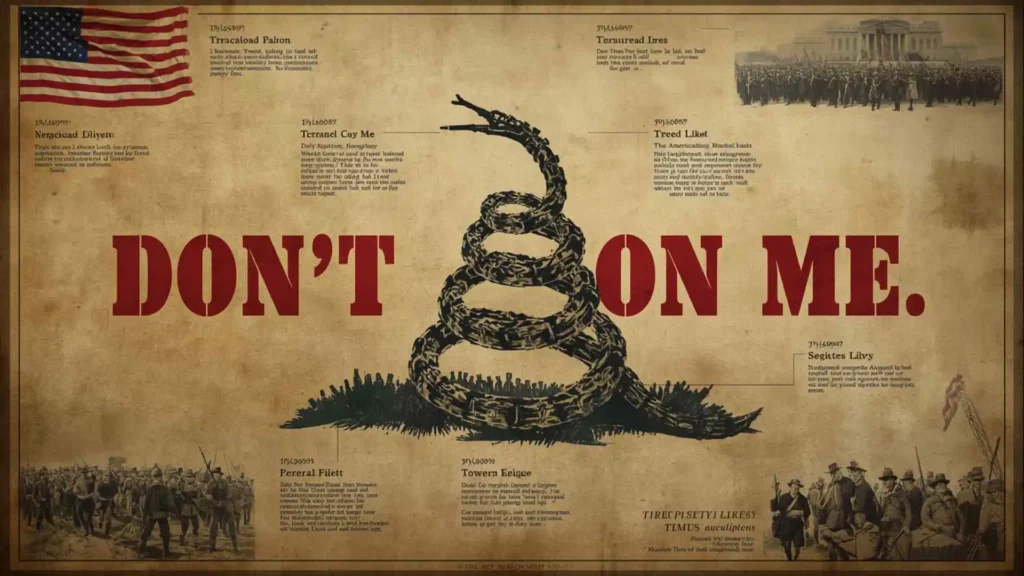
The phrase “Don’t Tread on Me” carries both literal and symbolic meanings.
Primary Meaning:
It means “do not harm me, control me, or violate my rights.”
Secondary Meaning:
It represents independence, personal freedom, and resistance against unfair power.
Simple Chat Examples:
- Friend 1: “Bro, why are you ignoring their rules?”
Friend 2: “Don’t tread on me, I make my own choices.” - “That flag says don’t tread on me—it means don’t mess with my freedom.”
Background & Origin
The phrase dates back to the American Revolutionary War era in the 1700s. It was first linked to a flag known as the “Gadsden Flag,” featuring a rattlesnake ready to strike.
The rattlesnake was chosen because it represents warning, awareness, and defense. If disturbed, it strikes—but otherwise stays peaceful.
Over time, the phrase became popular again in modern politics, online culture, and merchandise. Today, it is often used to express personal rights and independence.
Usage in Different Contexts
Casual Chats
Used when someone wants to show independence or disagreement.
Example:
“I’ll handle my own problems—don’t tread on me.”
Social Media
Often used in captions, memes, or political posts.
Example:
“Freedom matters. Don’t tread on me.”
Professional Use
Rare, but may appear in historical or political discussions.
Example:
“The slogan ‘Don’t tread on me’ reflects early American resistance culture.”
Gaming / Group Chats
Used jokingly when setting boundaries.
Example:
“No stealing loot—don’t tread on me 😂”
Meanings Across Platforms (Table)
| Platform | Tone | Example |
| Casual | “Respect my space, don’t tread on me.” | |
| Bold / Aesthetic | “Freedom vibe 🐍 Don’t tread on me” | |
| TikTok | Trendy / Political | “This flag hits different—don’t tread on me” |
| Snapchat | Playful | “Lowkey mood: don’t tread on me 😎” |
| Discord | Gaming / Direct | “Back off my rank, don’t tread on me” |
Real-Life Examples & Memes
Sometimes the phrase is used seriously, and sometimes it becomes meme material online.
Chat-style humor:
- “Teacher: follow rules”
“Student: don’t tread on me 💀” - “Boss: work overtime”
“Employee: don’t tread on me 😭”
Meme-style lines:
- “When someone touches your fries: Don’t tread on me.”
- “Introverts after 5 minutes of social interaction.”
Cultural or Regional Interpretations
US / UK:
Mostly seen as a symbol of liberty, protest, or political expression.
Asia (Pakistan, India, Philippines):
Often misunderstood as a motivational or “don’t control me” phrase used in memes or social posts.
Australia:
Seen mainly in internet culture or imported political symbolism.
Other Meanings
| Field | Meaning | Description |
| Politics | Freedom slogan | Resistance to authority |
| History | Revolutionary symbol | Early American independence |
| Pop Culture | Meme phrase | Used humorously online |
Common Mistakes & Misconceptions
- Thinking it is only a “motivational quote”
- Assuming it means aggression or violence
- Believing it is a modern internet invention
- Using it without understanding its historical context
Psychological / Emotional Meaning
Positive:
Represents confidence, independence, and self-respect.
Neutral:
Used as a historical or cultural reference.
Negative:
Can sound confrontational or rebellious in serious discussions.
Similar Terms & Alternatives
| Word/Phrase | Meaning | Tone |
| “Don’t control me” | Independence message | Neutral |
| “Stand your ground” | Defiance / strength | Strong |
| “My rights matter” | Personal freedom | Positive |
Is It Offensive or Friendly?
The phrase itself is not offensive, but tone matters.
- Friendly: “I just need space, don’t tread on me.”
- Serious: Used in political or protest discussions
- Offensive: Can sound aggressive if used in arguments
Grammar or Linguistic Insight
“Don’t tread on me” uses old English structure.
- “Tread” means step on or violate
- The phrase is imperative (a command)
- It reflects historical English used in the 1700s
Language evolved, but the phrase stayed unchanged because of its symbolic power.
How to Respond
Here are natural replies you can use:
- “Got it, I respect your space.”
- “No problem, I understand.”
- “Fair enough 👍”
- “I wasn’t trying to interfere.”
Differences From Similar Words
| Phrase | Meaning Difference |
| Don’t tread on me | Strong independence warning |
| Leave me alone | Personal space request |
| Back off | More aggressive tone |
Relevance in Dating & Online Culture
On apps like Tinder or Instagram, people sometimes use it in bios to show independence.
Example bio:
“Free spirit. Don’t tread on me.”
In chats, it may signal boundaries or emotional space. Gen Z often uses it humorously or sarcastically.
Popularity & Trends
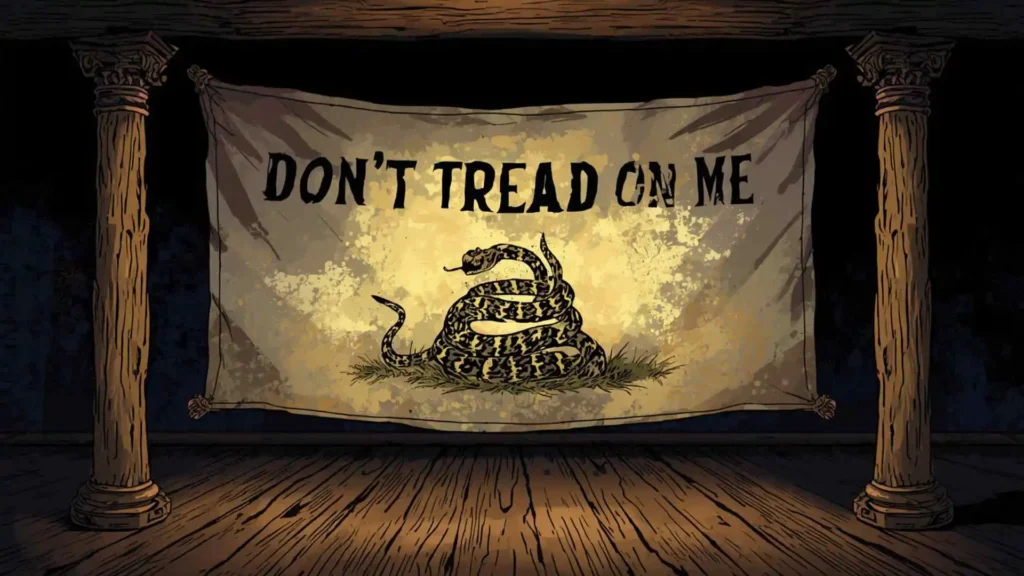
The phrase remains popular due to:
- TikTok edits and political clips
- Meme culture using the rattlesnake flag
- Gen Z using it for humor or attitude
- Viral discussions about freedom and rights
When NOT to Use Don’t Tread on Me
Avoid using it in:
- Job interviews or professional emails
- Formal academic writing
- Sensitive discussions where tone matters
- Situations requiring politeness or cooperation
It can sound too strong or confrontational in formal spaces.
FAQs
What does “Don’t tread on me” mean in simple words?
It means don’t harm, control, or interfere with my freedom or rights.
Where did “Don’t tread on me” come from?
It comes from the American Revolutionary War and the Gadsden Flag.
Is it a political phrase?
Yes, it is often linked to political ideas about freedom and independence.
Is it offensive to say?
Not always, but it can sound aggressive depending on context.
Why is it popular online?
Because it is used in memes, political posts, and as a symbol of independence.
Conclusion
“Don’t tread on me” is more than just a phrase—it’s a symbol of freedom, identity, and personal boundaries. From history to modern memes, it has evolved while keeping its strong emotional meaning.
In today’s digital world, it still stands as a reminder of independence and self-respect. And maybe that’s why it continues to stay relevant across generations.
If you’ve ever seen this phrase online and felt curious, now you know—it’s not just words, it’s a powerful message about standing your ground.
Discover More Topics:
- What Does Six Seven Mean? Hidden Slang Meaning Explained
- What Does RS Mean in Text? The Real Meaning Behind This Viral Chat Slang
- What Does Yellow Discharge Mean | Causes, Symptoms & When to Worry
- What Does “ION” Mean in Text? The Real Gen Z Slang Explained Simply in 2026

Lily Anderson
Lily Anderson is a wordsmith who finds magic in the simplest of expressions. Ever since she could hold a pen, she’s been fascinated by how similes and metaphors can transform ordinary moments into something extraordinary. Writing for her is like painting with words, each sentence carefully crafted to make readers see the world through a new lens. When she’s not buried in her notebooks, Lily enjoys wandering through city streets, observing life’s tiny wonders, and collecting inspiration from everyday experiences. She believes that the right metaphor can make the heart feel a little lighter and the mind a little brighter. Lily hopes her work sparks imagination and helps readers connect more deeply with language.
Books:
-
Metaphors in Motion
-
Similes That Speak