
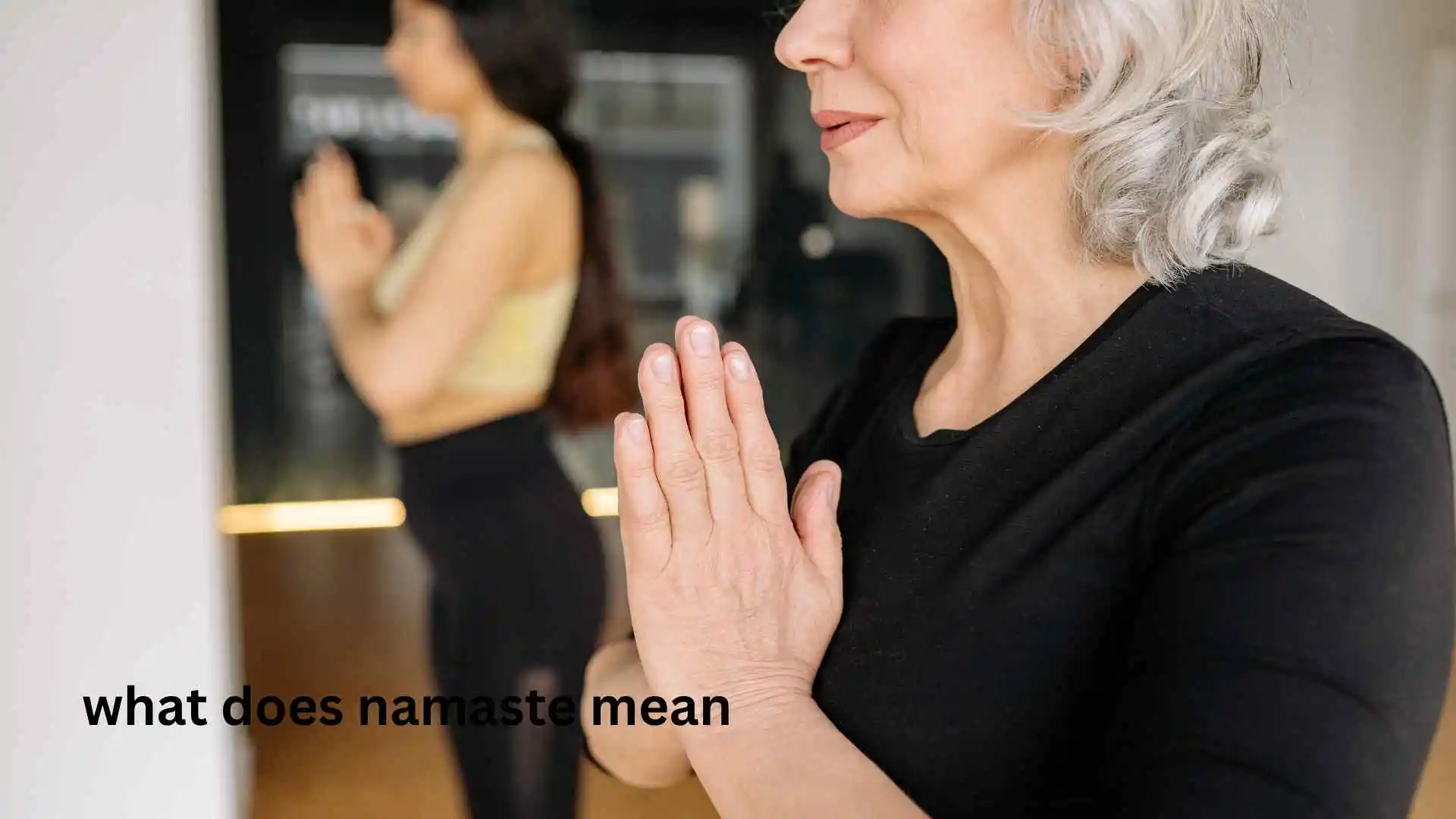
Have you ever heard someone say “Namaste” in a conversation, a yoga class, or even in a social media video and wondered what it truly means? At first, it may sound like a simple greeting, but this word carries much deeper emotion and cultural value.
Many people come across it in travel vlogs, wellness content, or while meeting someone from South Asia. The reason this term matters is that it blends respect, peace, and human connection into one beautiful word.
From cultural traditions to modern online trends, understanding what does namaste mean helps you use it respectfully and naturally.
Based on its long history and current usage across digital platforms, this guide covers everything in a clear and relatable way.
What Does Namaste Mean?
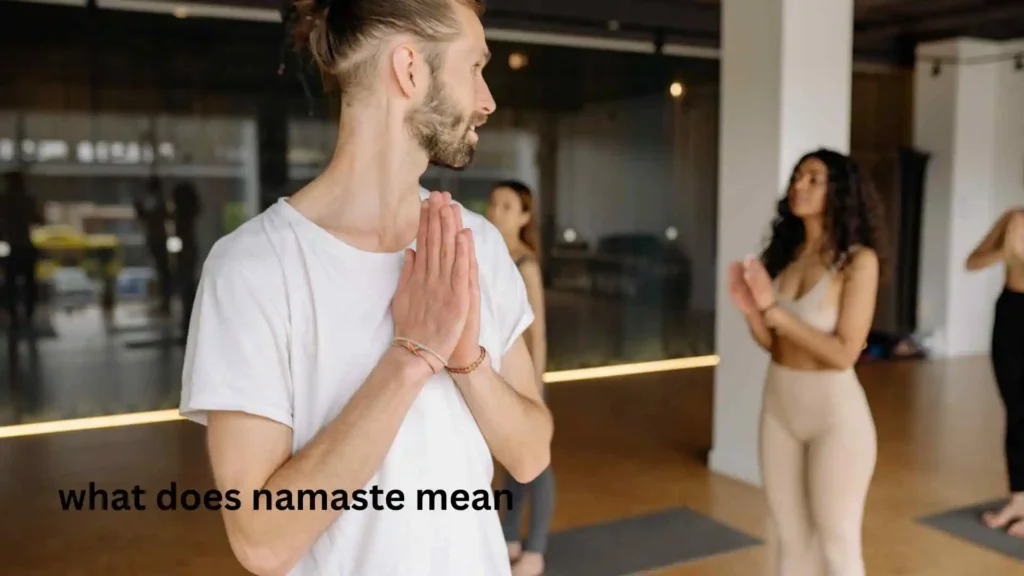
Namaste means “I bow to you” or “I respectfully greet you.” It is a traditional greeting mainly used in India and Nepal. Beyond hello or goodbye, it also expresses respect, gratitude, peace, and recognition of the other person’s inner worth or spirit.
Meaning & Definition
The word namaste comes from Sanskrit.
It is made up of two parts:
- namah = bow, respect, honor
- te = to you
So, the direct meaning is:
“I bow to you.”
In modern usage, many people also explain it as:
“The divine in me honors the divine in you.”
This deeper meaning makes the word feel warm and respectful.
Primary Meaning
The main meaning is a respectful greeting.
It can be used for:
- Hello
- Goodbye
- Welcome
- Respectful acknowledgment
Secondary Meaning
In spiritual and wellness communities, it may also symbolize:
- Inner peace
- Soul connection
- Mutual respect
- Gratitude
Real Chat Examples
Example 1:
A: Thank you for helping me today.
B: Namaste, always happy to help.
Example 2:
Instagram comment: Such peaceful energy, namaste 🙏
What does namaste mean spiritually
Namaste is a spiritual greeting used in many Eastern traditions. It carries a deep meaning connected to respect, peace, and the recognition of inner divinity in others. It is often used as a mindful and respectful salutation.
• Divine recognition
Meaning: Acknowledgment of the divine presence in another person.
• Inner soul respect
Meaning: Showing respect to the inner spirit within someone.
• Spiritual greeting
Meaning: A respectful way to greet others with awareness.
• Sacred acknowledgment
Meaning: Recognition of something holy in every individual.
• Energy connection
Meaning: Understanding the shared spiritual energy between people.
• Humble salutation
Meaning: A greeting that expresses humility and respect.
• Peace expression
Meaning: A way to send peaceful intentions to others.
• Soul-to-soul respect
Meaning: Respecting another person at a deeper spiritual level.
• Mindful greeting
Meaning: A greeting done with full awareness and presence.
• Universal respect
Meaning: Showing equal respect to all human beings.
What does Namaste mean in Hindi
Namaste in Hindi is a respectful and traditional greeting used in daily communication. It is commonly used when meeting, welcoming, or showing respect to someone.
• Respectful greeting
Meaning: A polite way to say hello in Hindi culture.
• Formal salutation
Meaning: A standard greeting used in respectful situations.
• Traditional word
Meaning: A cultural term used in Indian daily language.
• Cultural expression
Meaning: A word that reflects Indian social etiquette.
• Polite address
Meaning: A respectful way to address another person.
• Greeting gesture
Meaning: A word often combined with folded hands.
• Honor expression
Meaning: A way to show respect to elders or guests.
• Social courtesy
Meaning: A polite form used in social interactions.
• Daily greeting term
Meaning: A commonly used word for meeting someone.
• Hindi salutation
Meaning: A traditional Hindi word used for greeting others.
Does Namaste mean goodbye
Namaste can also be used when parting from someone in certain cultural contexts. It expresses respect and goodwill when ending a conversation or meeting.
• Farewell greeting
Meaning: A respectful way to say goodbye.
• Parting salutation
Meaning: A polite expression used when leaving.
• Respectful exit word
Meaning: A word used to end an interaction politely.
• Closing gesture
Meaning: A respectful sign used when separating.
• Goodbye expression
Meaning: A gentle way to say farewell.
• Meeting end word
Meaning: A term used when a conversation finishes.
• Polite departure
Meaning: A respectful way to leave someone’s presence.
• Cultural farewell
Meaning: A traditional word used during goodbye moments.
• Respect-based ending
Meaning: A farewell that maintains dignity and respect.
• Social parting phrase
Meaning: A common phrase used when leaving others.
What does namaste mean in english
In English, Namaste is understood as a respectful greeting or acknowledgment. It is often translated in ways that reflect politeness, respect, and cultural greeting.
• Respectful hello
Meaning: A polite way to greet someone.
• Cultural greeting term
Meaning: A word borrowed from South Asian culture.
• Polite salutation
Meaning: A formal way to say hello or greet.
• Greeting expression
Meaning: A word used to acknowledge someone.
• Respect acknowledgment
Meaning: A sign of showing honor to others.
• Spiritual hello
Meaning: A greeting with deeper respectful meaning.
• Traditional greeting word
Meaning: A culturally rooted greeting term.
• Foreign loanword
Meaning: A word adopted into English from another language.
• Social greeting phrase
Meaning: A phrase used in friendly or formal meetings.
• Respectful address
Meaning: A polite way to address someone in interaction.
What does Namaste mean in yoga
In yoga, Namaste is used at the beginning or end of practice to show respect, gratitude, and unity. It reflects mindfulness and connection between teacher and students.
• Yoga greeting
Meaning: A respectful word used in yoga sessions.
• Class salutation
Meaning: A greeting shared in yoga practice settings.
• Teacher respect
Meaning: A way to honor the yoga instructor.
• Student acknowledgment
Meaning: Recognition of fellow participants in class.
• Mind-body respect
Meaning: A gesture connecting physical and mental awareness.
• Practice closure word
Meaning: A term used to end a yoga session.
• Opening ritual term
Meaning: A word used at the start of yoga practice.
• Gratitude expression
Meaning: A way to show thankfulness in yoga.
• Unity symbol
Meaning: A sign of connection between individuals.
• Calm greeting
Meaning: A peaceful way to begin or end practice.
Does namaste mean hello
Namaste is often used as a greeting meaning hello in many cultures. It is a polite and respectful way to acknowledge someone’s presence.
• Greeting meaning hello
Meaning: A word used to say hello respectfully.
• Cultural hello term
Meaning: A traditional greeting in South Asian culture.
• Polite introduction word
Meaning: A way to begin meeting someone.
• Respectful salutation
Meaning: A greeting that shows honor and politeness.
• Social acknowledgment
Meaning: A word used to recognize someone’s presence.
• Formal greeting
Meaning: A respectful way to say hello in formal settings.
• Daily greeting expression
Meaning: A commonly used hello word in daily life.
• Friendly salutation
Meaning: A warm and respectful greeting.
• Communication opener
Meaning: A word used to start a conversation.
• Cultural greeting hello
Meaning: A traditional way of saying hello in India and Nepal.
What is the spiritual meaning of Namaste in Hindi
In Hindi spiritual context, Namaste reflects deep respect for the soul and divine essence within every person. It is linked with Indian spiritual philosophy and inner awareness.
• Atman recognition
Meaning: Acknowledgment of the soul within a person.
• Divine respect term
Meaning: A word showing respect to spiritual essence.
• Spiritual salutation
Meaning: A greeting used in religious or spiritual context.
• Inner light acknowledgment
Meaning: Recognition of inner purity and truth.
• Sanskrit-root expression
Meaning: A word derived from ancient spiritual language.
• Dharma-based greeting
Meaning: A respectful greeting based on duty and values.
• Sacred awareness word
Meaning: A term showing awareness of holiness.
• Hindu philosophy term
Meaning: A concept used in Hindu spiritual understanding.
• Soul connection greeting
Meaning: A greeting that connects two spiritual beings.
• Respectful spiritual bow
Meaning: A symbolic act of humility and respect.
What language is Namaste
Namaste originates from ancient languages of South Asia. It is widely used in Hindi and other Indian languages but has roots in Sanskrit.
• Sanskrit origin word
Meaning: A term originally from the Sanskrit language.
• Indo-Aryan language term
Meaning: A word used in languages derived from Sanskrit.
• Hindi usage word
Meaning: A commonly used greeting in Hindi language.
• Nepali greeting term
Meaning: A respectful word used in Nepal.
• Etymological expression
Meaning: A word studied through linguistic origin.
• South Asian language term
Meaning: A greeting used across South Asian languages.
• Classical language word
Meaning: A term from an ancient structured language system.
• Linguistic heritage term
Meaning: A word reflecting historical language development.
• Script-based expression
Meaning: A term written in Devanagari and related scripts.
• Cultural language word
Meaning: A greeting embedded in regional language traditions.
Background & Origin
Namaste comes from ancient Sanskrit, one of the world’s oldest languages.
It has been used for thousands of years in South Asian cultures, especially in India and Nepal.
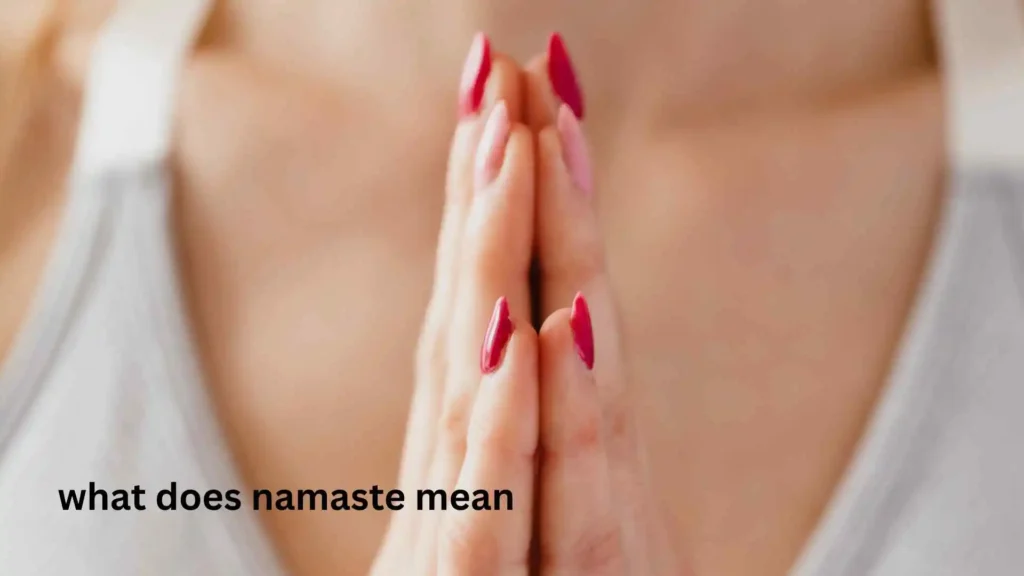
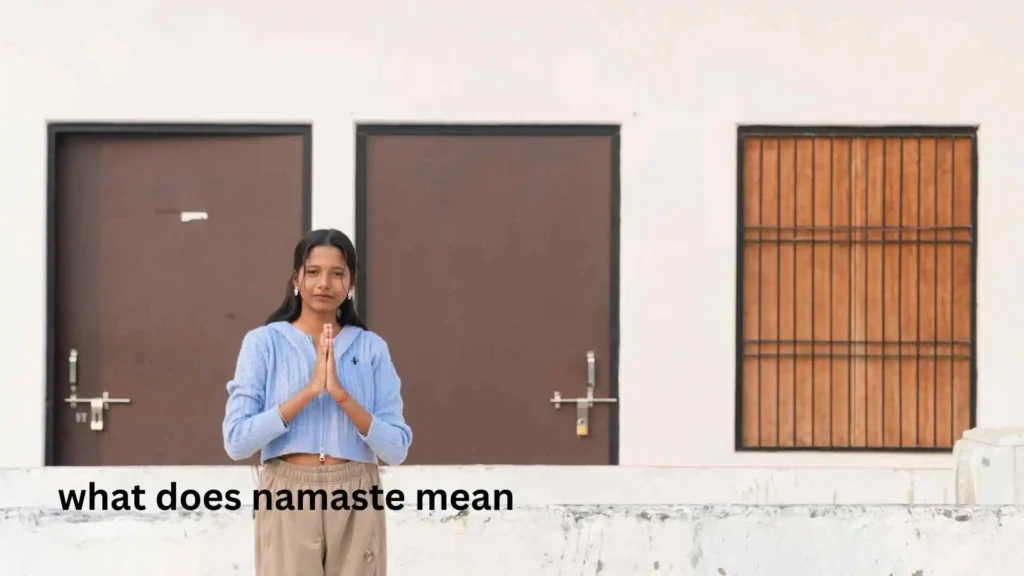
Traditionally, people say it with folded hands and a slight bow.
The gesture itself shows humility and respect.
The word became globally popular through:
- Yoga classes
- Meditation practices
- Bollywood movies
- Travel content
- TikTok and Instagram wellness videos
Today, it is widely recognized around the world.
Usage in Different Contexts
Casual Chats
People may use it in friendly or respectful conversations.
Example:
Namaste, how have you been?
Social Media
It often appears in peaceful or aesthetic captions.
Example:
Morning yoga complete. Namaste vibes only.
Professional Use
In multicultural settings, speakers may use it as a respectful greeting.
Example:
Namaste everyone, thank you for joining today’s seminar.
Gaming / Group Chats
Sometimes it is used humorously.
Example:
Namaste squad, let’s win this match.
Meanings Across Platforms
| Platform | Tone | Example |
| Friendly / respectful | Namaste uncle, how are you? | |
| Spiritual / aesthetic | Namaste and good vibes 🙏 | |
| TikTok | Trendy / wellness | Namaste after meditation reel |
| Snapchat | Casual / playful | Namaste bestie 😂 |
| Discord | Funny / group intro | Namaste gamers |
Real-Life Examples & Memes
Here are some natural chat examples:
Friendly Use:
Namaste, it was lovely meeting you.
Funny Use:
Went to one yoga class and now I say namaste to everyone.
Meme-Style Lines
- One meditation session later: Namaste master activated.
- Drank herbal tea once and suddenly it’s namaste vibes.
Cultural or Regional Interpretations
US / UK
Mostly associated with yoga, spirituality, and South Asian culture.
Asia (India, Pakistan, Philippines)
In India and Nepal, it is a traditional everyday greeting.
In Pakistan, people understand it, though greetings like Assalamualaikum are more common.
In the Philippines, it is usually known through media or yoga culture.
Australia
Common in wellness communities and multicultural environments.
Other Meanings
| Field | Meaning | Description |
| Culture | Greeting | Respectful hello or goodbye |
| Spirituality | Soul respect | Honors the inner self |
| Social media | Trend phrase | Used in captions and reels |
| Humor | Playful phrase | Meme-style usage online |
Common Mistakes & Misconceptions
- Thinking it only means hello
- Using it as a joke about culture
- Assuming it belongs only to yoga
- Using it sarcastically
- Mispronouncing it intentionally for humor
Psychological / Emotional Meaning
Positive
Warm, respectful, peaceful, and welcoming.
Neutral
Simple cultural greeting.
Negative
Can feel disrespectful if used mockingly.
Similar Terms & Alternatives
| Word | Meaning | Tone |
| Hello | General greeting | Neutral |
| Hi | Casual greeting | Friendly |
| Salaam | Peace greeting | Respectful |
| Greetings | Formal hello | Professional |
| Namaskar | Traditional formal greeting | Respectful |
Is It Offensive or Friendly?
Namaste is generally friendly and respectful.
However, context matters.
Using it sincerely is perfectly fine.
Using it to mock someone’s culture can feel offensive.
Friendly Example:
Namaste, thank you for coming.
Insensitive Example:
Using it sarcastically with a fake accent.
Respect always matters.
Grammar or Linguistic Insight
Namaste is a borrowed word that has become part of global conversation.
This is how language evolves.
Words often move from one culture into another through media, travel, and online trends.
Today, many English speakers use namaste naturally.
How to Respond
Here are some natural replies:
- Namaste 🙏
- Namaste, nice to meet you
- Hello, hope you are well
- Thank you, namaste
- Peace to you too
Differences From Similar Words
| Word | Difference |
| Namaste | Respectful + spiritual |
| Hello | Basic general greeting |
| Hi | Casual |
| Salaam | Peace-centered |
| Namaskar | More formal version |
Relevance in Dating & Online Culture
On dating apps like Tinder, people sometimes use namaste in bios to show interest in yoga, spirituality, or calm energy.
Gen Z users may write things like:
Coffee lover, gym person, namaste vibes only.
It often gives a peaceful or mindful impression.
Popularity & Trends
The word has grown in popularity because of:
- TikTok wellness videos
- Instagram reels
- Yoga influencers
- Meditation memes
- Gen Z aesthetic captions
It is now part of internet culture as well as traditional culture.
When NOT to Use Namaste
Avoid using it in these situations:
- Formal office emails
- Legal documents
- Serious business communication
- Cultural jokes
- Sarcastic replies
In professional emails, regular greetings work better.
FAQs
What does namaste mean in simple words?
It means I bow to you and is used as a respectful greeting.
Is namaste only used in India?
It is mainly from India and Nepal but is now used worldwide.
Can I use namaste online?
Yes, especially in friendly, respectful, or wellness-related conversations.
Is namaste rude?
No, it is respectful unless used mockingly.
Why is namaste popular on TikTok?
Because of yoga, wellness, and meditation trends.
What does namaste literally mean?
Namaste literally means “I bow to you” in Sanskrit, acknowledging the divine in another person.
Can Christians say namaste?
Yes, Christians can say namaste as a respectful greeting without conflicting with their faith.
Does namaste mean peace?
Namaste does not literally mean peace, but it conveys respect, goodwill, and harmony.
How do you respond when someone says namaste?
You respond by saying “Namaste” back while placing your hands together in a prayer position.
Conclusion
Namaste is much more than a simple word.
It carries respect, peace, kindness, and cultural depth.
Whether you see it in daily conversations, social media captions, or wellness content, knowing its meaning helps you use it thoughtfully.
Sometimes the most beautiful words are the ones that make people feel seen and respected—and namaste is one of them.
Discover More Topics:
- What Does Crash Out Mean? The Real Meaning Behind This Viral Slang in 2026
- What Does WTM Mean? The Real Meaning in Text, TikTok & Chats in 2026

Lily Anderson
Lily Anderson is a wordsmith who finds magic in the simplest of expressions. Ever since she could hold a pen, she’s been fascinated by how similes and metaphors can transform ordinary moments into something extraordinary. Writing for her is like painting with words, each sentence carefully crafted to make readers see the world through a new lens. When she’s not buried in her notebooks, Lily enjoys wandering through city streets, observing life’s tiny wonders, and collecting inspiration from everyday experiences. She believes that the right metaphor can make the heart feel a little lighter and the mind a little brighter. Lily hopes her work sparks imagination and helps readers connect more deeply with language.
Books:
-
Metaphors in Motion
-
Similes That Speak