
You’re scrolling through TikTok or chatting with a friend when someone suddenly says, “Nice PFP!” For a second, you pause and wonder what they even mean.
If you spend time online, especially on social media, gaming apps, or group chats, you’ve probably seen the term “PFP” everywhere. It pops up in comments, memes, Discord servers, and even dating apps.
The internet moves fast, and slang changes almost daily. That’s why understanding terms like PFP helps you stay connected and avoid feeling lost in conversations.
Based on years of observing social media trends and online communities, PFP has become one of the most commonly used internet abbreviations among Gen Z and digital users worldwide.
What Does PFP Mean?
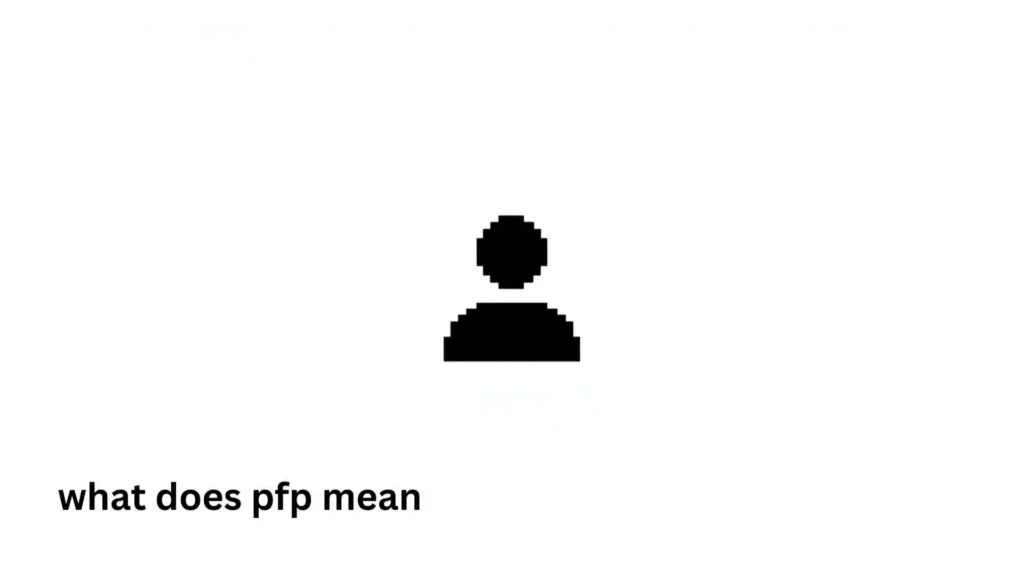
PFP stands for “Profile Picture.” It refers to the image a person uses to represent themselves on social media platforms, gaming accounts, messaging apps, or online communities. People often say “PFP” instead of profile picture because it’s shorter, faster to type, and widely understood in internet culture.
Meaning & Definition
The primary meaning of PFP is simple:
PFP = Profile Picture
It’s the photo, avatar, cartoon, selfie, logo, or image someone uses on their account.
People use PFP in casual online conversations like:
- “Your PFP looks cool.”
- “I changed my PFP again.”
- “Why is your PFP an anime character?”
Secondary Meanings
While “profile picture” is the main meaning, PFP can sometimes mean:
- Picture For Proof
- Personal Fashion Profile
- Profile Photo
Still, in almost every online conversation, it usually means profile picture.
Real Chat Examples
Friend 1: “Who’s that in your PFP?”
Friend 2: “It’s my favorite anime character.”
Discord Chat: “Matching PFPs tonight?”
Reply: “Yes, let’s do it.”
Background & Origin
The idea of profile pictures started long before social media exploded. Early internet forums and chat rooms allowed users to upload small avatar images to represent themselves online.
As platforms like Facebook, Instagram, Snapchat, and Discord became popular, users began shortening “profile picture” to “PFP” because internet slang favors speed and simplicity.
The term became especially popular around the late 2010s when gaming culture, TikTok trends, anime communities, and meme pages started using it constantly.
Today, “PFP” is part of everyday online language.
Usage in Different Contexts
Casual Chats
Friends often use PFP casually when talking about someone’s account photo.
Examples:
- “Your cat PFP is adorable.”
- “Why did you remove your old PFP?”
The tone is usually friendly and relaxed.
Social Media
On Instagram, TikTok, and Snapchat, PFPs are part of online identity.
People judge style, humor, personality, and even mood based on someone’s PFP.
Examples:
- “Your PFP screams main character energy.”
- “That aesthetic PFP fits your vibe.”
Professional Use
In professional settings, the full phrase “profile picture” is more common.
Still, younger workers may casually say PFP in Slack chats or online workspaces.
Example:
- “Please update your PFP before the meeting.”
Gaming & Group Chats
Gaming culture heavily uses the term.
Players often recognize friends by their PFP rather than usernames.
Examples:
- “I couldn’t find you because you changed your PFP.”
- “Your gaming PFP looks intimidating.”
Meanings Across Platforms
| Platform | Tone | Example |
| Casual | “Nice family PFP.” | |
| Stylish / Social | “Your PFP aesthetic is amazing.” | |
| TikTok | Trendy / Funny | “That meme PFP is hilarious.” |
| Snapchat | Friendly | “Change your Bitmoji PFP!” |
| Discord | Gaming / Community | “Matching anime PFPs tonight?” |
Real-Life Examples & Memes

Internet users love making jokes about profile pictures.
Funny Chat Examples
- “Your PFP looks richer than you.”
- “Why is your PFP blurry like a security camera photo?”
- “Anime PFP detected. Opinion rejected.”
Meme-Style Lines
- “Changing your PFP after one sad song hits differently.”
- “People trust cute dog PFPs too easily.”
PFP memes are especially common on TikTok and Twitter/X.
Cultural or Regional Interpretations
US & UK
In Western countries, PFP culture often focuses on self-expression, humor, aesthetics, or branding.
People may use:
- Selfies
- Cartoon avatars
- Celebrity photos
- Meme images
Asia (India, Pakistan, Philippines)
In many Asian countries, users often choose:
- Religious quotes
- Family photos
- K-pop idols
- Anime characters
- Nature images
Among younger users, stylish or “attitude” PFPs are extremely popular.
Australia
Australian users tend to use casual and humorous PFPs, especially in gaming and sports communities.
Other Meanings of PFP
| Field | Meaning | Description |
| Social Media | Profile Picture | Main online meaning |
| Photography | Profile Photo | Alternative wording |
| Business | Personal File Page | Rare office usage |
| Technology | Picture For Proof | Sometimes used in forums |
| Gaming | Player Profile Photo | Gamer identity image |
Common Mistakes & Misconceptions
- Some people think PFP only belongs to TikTok culture.
- Others confuse it with “DP” (display picture).
- Many assume anime PFP users are always gamers.
- Some believe changing your PFP means emotional drama.
- Not every PFP has a hidden meaning.
Psychological / Emotional Meaning
A PFP can say a lot about someone emotionally.
Positive Tone
A bright or smiling PFP may show confidence, happiness, or friendliness.
Neutral Tone
Some users simply choose random images without emotional meaning.
Negative Tone
Dark or sad PFP changes can sometimes reflect mood changes, heartbreak, or stress.
Many people quietly express emotions through profile pictures without directly talking about them.
Similar Terms & Alternatives
| Word | Meaning | Tone |
| DP | Display Picture | Casual |
| Avatar | Digital identity image | Gaming / Tech |
| Icon | Small profile image | Informal |
| Profile Photo | Formal version | Professional |
| Display Pic | Another DP variation | Friendly |
Is It Offensive or Friendly?
PFP itself is completely harmless and friendly.
However, comments about someone’s PFP can become rude depending on tone.
Friendly Example
- “Your PFP looks amazing.”
Offensive Example
- “Your PFP is cringe.”
Online communities sometimes stereotype users based on certain PFP styles, especially anime or meme pictures.
Grammar or Linguistic Insight
PFP is an example of internet abbreviation culture.
Online users shorten words to save time and match fast digital conversations.
Just like:
- LOL = Laugh Out Loud
- BRB = Be Right Back
- DM = Direct Message
PFP became popular because it’s quick, simple, and easy to understand.
How to Respond
If someone mentions your PFP, here are natural replies:
- “Thanks, I just changed it.”
- “Glad you noticed.”
- “It matches my mood lately.”
- “I found it on Pinterest.”
- “Haha, I wanted something funny.”
Differences From Similar Words
| Term | Meaning | Main Difference |
| PFP | Profile Picture | Modern slang abbreviation |
| DP | Display Picture | Older messaging term |
| Avatar | Digital character image | Common in gaming |
| Selfie | Photo of yourself | Not always a profile picture |
| Icon | Small account image | More technical wording |
Relevance in Dating & Online Culture
In modern dating culture, PFPs matter a lot.
Apps like Tinder, Bumble, and Hinge rely heavily on profile pictures because first impressions happen instantly.
Many Gen Z users judge:
- Personality
- Humor
- Confidence
- Style
- Interests
Just from a PFP.
A blurry photo, meme image, or overly edited PFP can completely change how someone is perceived online.
Some people even flirt by complimenting someone’s PFP.
Example:
- “Your PFP caught my attention.”
Popularity & Trends
PFP culture exploded with:
- TikTok trends
- Discord communities
- Anime fandoms
- Meme pages
- Gaming culture
Matching PFPs became especially popular among friends, couples, and online groups.
Popular trends include:
- Anime PFPs
- Sad aesthetic PFPs
- Funny meme PFPs
- AI-generated PFPs
- Retro cartoon PFPs
Gen Z treats profile pictures almost like digital fashion.
When NOT to Use PFP
There are situations where saying “PFP” may sound too casual.
Avoid using it in:
- Formal business emails
- Academic papers
- Professional presentations
- Job applications
- Corporate meetings
Instead, say:
- “Profile picture”
- “Professional photo”
- “Account image”
Example to Avoid
❌ “Please update your PFP before the corporate seminar.”
Better Version
✅ “Please update your profile picture before the seminar.”
FAQs
What does PFP stand for in texting?
PFP stands for “Profile Picture.” It refers to the image someone uses on social media or messaging apps.
Is PFP the same as DP?
Almost. Both refer to account photos, but DP means “Display Picture,” while PFP means “Profile Picture.”
Why do people say PFP instead of profile picture?
People use PFP because it’s shorter, faster, and part of internet slang culture.
What is an anime PFP?
An anime PFP is a profile picture featuring an anime character. It’s especially common on Discord, TikTok, and gaming platforms.
Can a PFP reflect personality?
Yes. Many people use profile pictures to express mood, identity, humor, interests, or emotions online.
Conclusion
PFP may look like a tiny internet abbreviation, but it has become a huge part of online culture.
From TikTok trends to gaming communities and dating apps, profile pictures now act like digital identities. They tell stories, express moods, and sometimes even start conversations.
Whether your PFP is a selfie, meme, anime character, or cute pet photo, it represents a small piece of who you are online.
And honestly, in today’s internet world, people notice your PFP faster than your bio.
Discover More Topics:
- What Does WTM Mean? The Real Meaning in Text, TikTok & Chats in 2026
- What Does Crash Out Mean? The Real Meaning Behind This Viral Slang in 2026
Lily Anderson
Lily Anderson is a wordsmith who finds magic in the simplest of expressions. Ever since she could hold a pen, she’s been fascinated by how similes and metaphors can transform ordinary moments into something extraordinary. Writing for her is like painting with words, each sentence carefully crafted to make readers see the world through a new lens. When she’s not buried in her notebooks, Lily enjoys wandering through city streets, observing life’s tiny wonders, and collecting inspiration from everyday experiences. She believes that the right metaphor can make the heart feel a little lighter and the mind a little brighter. Lily hopes her work sparks imagination and helps readers connect more deeply with language.
Books:
-
Metaphors in Motion
-
Similes That Speak